
The Real Cost of a Rental: Pricing, Deposits, and Fees (How to Compare the All‑In Price)
Rental quotes often exclude mileage limits, deposit holds, insurance, fuel rules, and admin add-ons. Use this framework to compare true all-in costs.
1) Why the “quote” and the final charge rarely match

The number you see first—online or at a counter—is often a starting point, not the final bill. In rental-pricing, providers may advertise a base daily rate while deferring key costs until checkout: mileage rules, insurance options, deposit holds, taxes, and refueling terms. That’s why two listings with the same “$49/day” can land hundreds of dollars apart once you actually drive away.
The second reason is timing and authorization behavior. Many rentals place deposits-and-holds on your card that don’t feel like a fee, but they reduce available credit and can trigger bank alerts or overdrafts. Add in post-trip adjustments (extra hours, tolls, cleaning, damage review), and travelers end up paying more than they planned—especially when moving fast and skipping the fine print.
This post breaks down the most common add-ons and gives a simple consumer-finance checklist to compare traditional rental counters, peer-to-peer listings, and modern carsharing options—so you can use travel-hacks that prevent surprises at checkout and after return.
2) The main cost drivers: mileage, deposits, insurance, fuel, and admin fees
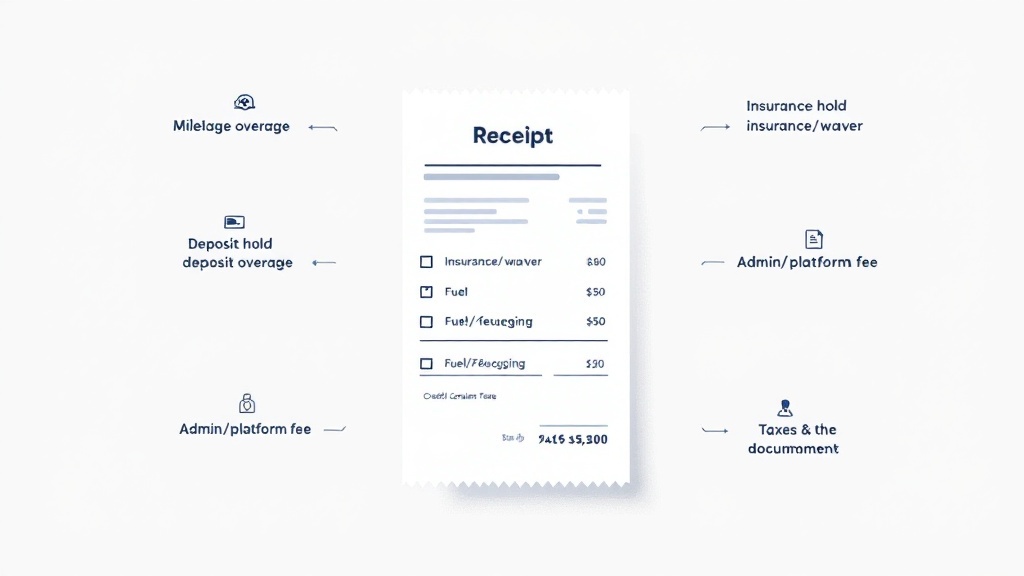
Start with mileage rules, because they quietly swing total cost. Some rentals include “unlimited miles,” others cap daily miles (common in peer-to-peer and some carsharing) and charge per-mile overages. For a 36-hour trip, a low daily rate can become expensive if you’re driving to multiple meetings or taking a side trip. Always estimate your route and price miles before booking—this is core to smart rental-pricing.
Next, understand deposits-and-holds. Many providers pre-authorize a refundable amount (sometimes $200–$1,000+) to cover incidentals. It’s not a charge unless something happens, but it can tie up funds for days. Then come coverage and policies: optional insurance/waivers, roadside assistance, young-driver fees, additional-driver fees, and “admin” or platform fees. Fuel is another common surprise: prepaid fuel packages, “return full,” or refueling charges at premium rates.
Finally, factor the post-trip layer: late returns, extensions, toll processing fees, cleaning charges, and damage review. These are where trust breaks down—making clear documentation and upfront totals essential consumer-finance hygiene.
3) A practical framework to compare “all‑in” costs across counters, P2P, and carsharing
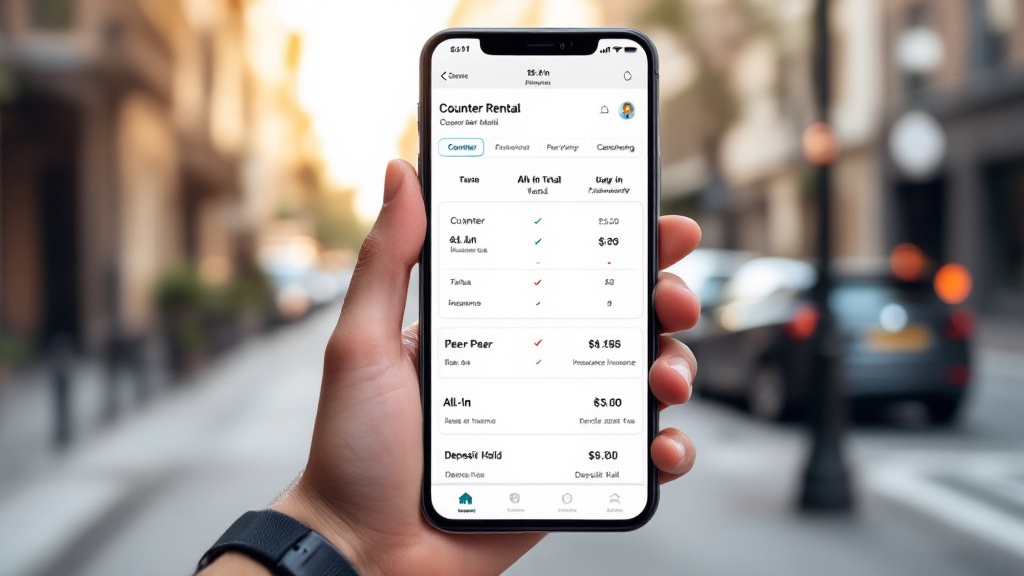
Use this quick framework to compare options apples-to-apples—whether you’re booking a traditional counter rental, a peer-to-peer listing, or a short-term carsharing app. Step 1: calculate trip cost (base price × hours/days). Step 2: add distance cost (included miles vs. expected miles + overages). Step 3: add protection cost (mandatory coverage, optional waivers, roadside, additional drivers). Step 4: add policy cost (fuel plan, late/extension rate, toll processing). Step 5: note cash-flow impact (deposit holds and when they’re released). This travel-hacks checklist surfaces the true all-in number.
Then evaluate “dispute risk.” If pricing is clear but documentation is weak, you may still pay later. Platforms that guide check-in/out photos, capture odometer and fuel, and time-stamp issues reduce ambiguity.
ClearFare CarShare is built around that principle: show a fully-loaded total price upfront, run in-app verification and payments, and create auditable trip records to lower fraud and damage disputes. When you can compare all-in costs and accountability, rental-pricing becomes predictable—and your trip stays focused on travel, not surprises.